English (USA)
Your Cart

No Mow May Debunked: It May Be Dangerous For Your Kids & Pets
May 01, 2026
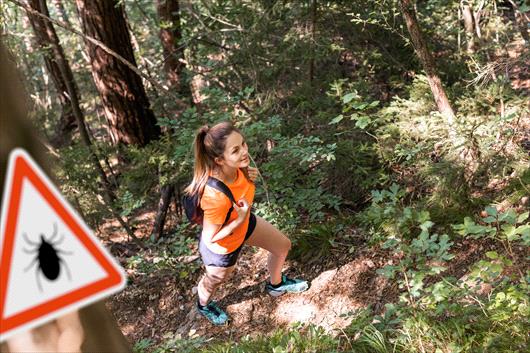
We’re sure your social media feed has featured a post or two about ‘No Mow May’ over the last few weeks. This movement has gained a lot of traction in recent years, possibly because it’s easy to convince people not to do yard work. However, we need to take a second to ask ourselves, “Is No Mow May really beneficial for the planet? What about my lawn? And what about my family and pets?” The answers may surprise you. What is No Mow May? Simply put, it’s a campaign that encourages homeowners to skip mowing their lawns in the month of May each year to help pollinators such as bees. First of all, there is no evidence to support that letting your grass grow long will help local bees. However, there is plenty of evidence to support that longer grass can attract ticks. If you have wooded areas near your home, you’re probably already very vigilant in checking your children and pets for ticks. But it’s important to know that many experts are predicting 2026 could be one of the worst tick years we’ve ever seen, as: ER visits for Lyme disease are surging across the US and in many parts of Canada Warm weather is extending tick season even longer We’re seeing tick country expand, with ticks showing up in new areas The good news is that not all ticks carry Lyme disease. But the bad news is that it’s transmitted by the blacklegged tick, which is the most common tick seen around homes in North America. We’re sure you’ve also seen a number of news stories and social posts recently about the cases of hantavirus linked to a cruise ship. As you have no doubt heard by now, Hantavirus Pulmonary Syndrome is a respiratory illness caused by inhaling airborne particles of an infected mouse’s: Urine Feces Droppings Saliva It’s important to know that tall and dense grass provides an ideal habitat for rodents, such as the white-footed mouse and the deer mouse. You don’t want to take any risks when it comes to rodents in your home or yard, and keeping your lawn mowed is one of the simplest steps you can take. At Mosquito Hero, we love our local pollinators and take deliberate steps to protect them. But, despite how much traction it has gained online, No Mow May is not something that helps our local pollinators. Turfgrass doesn’t provide enough nutrition for local bees, even if you let it grow for a month. This is why bees get their nutrition from pollen and nectar, and they will even avoid grass pollen because they know it has little nutritional value for them. But what about dandelions? Despite what you may have heard, they actually lack the necessary amino acids required to be a nutritious food source for native bees. The answer to helping local bees is not on your lawn, but it can be in your garden. Your best bet is to plant the flower species that bees flock to, such as: Bee Balm Ice Plant Primrose Honeysuckle Red Valerian Sweet Scabious These flowers will give the bees and other pollinators the nutrition they need. As we mentioned earlier, we are facing a particularly bad year for ticks. And we can help! Our trained technicians have the skills, equipment, and techniques required to keep ticks from ruining your summer. “I love this company. Great customer service and results. Using a Mosquito Hero program means I can enjoy being outside all summer and it also protects my dog. The price is very competitive and the technicians are fast and professional. Absolutely recommend.” - A 5 Star Google Review. Don’t delay! Get a free quote for tick services and start protecting your family today!No Mow May Debunked: Ticks Love Long Grass
Do All Ticks Carry Lyme Disease?
No Mow May and Hantavirus
The Truth About No-Mow May: Bees Don’t Want Your Grass or Dandelions
The Real Way to Help Local Bees and Pollinators
Protect Your Pets and Family From Ticks