
 English (USA)
Your Cart


A Rising Tick-Borne Threat: Is Anaplasmosis Worse Than Lyme Disease?
Aug 04, 2026
There is a tick-borne disease that is sending people to the ER right now, and it’s not Lyme disease! Right now, health officials are saying cases of anaplasmosis are “rising rapidly” in both the US and Canada, and calling on families to be more aware of ticks in wooded areas than ever. Families with ticks in their yards need to be even more diligent when it comes to checking kids and pets. Is anaplasmosis the new Lyme disease? Is it more dangerous or less? Here’s everything you need to know. One is not necessarily worse than the other. On the one hand, the symptoms of anaplasmosis are more likely to show up faster than Lyme disease. On the other hand, Lyme disease typically has broader and more lasting health issues if it’s allowed to spread untreated. Both are very manageable if you catch them in the early stages. Humans get anaplasmosis from the bacterium Anaplasma phagocytophilum, which spreads through a bite from an infected tick, the same way they would contract Lyme disease. This bacterium is also spread through the same tick that carries Lyme disease, blacklegged (deer) ticks and western blacklegged ticks. If infected, you will typically feel very flu-like symptoms a week or two after your bite, which may include a combination of: Fever and/or chills Headache Stomach pain or gastrointestinal distress Nausea that could lead to vomiting Muscle pain Fatigue and low energy If you know that you’ve been bitten by a tick within the last two weeks, and you experience any combination of those symptoms, you should see a medical professional immediately. Without intervention, your symptoms could soon escalate to things like: Confusion Damage to vital organs, causing myocarditis or encephalitis Acute respiratory distress syndrome Acute renal failure Seizures (rare, but reported) However, this can easily be avoided with the recommended treatment of oral doxycycline, twice a day for 10 to 14 days, or alternative treatments for pregnant women or those with life-threatening allergies to doxycycline. It’s not so much of a new disease. It’s more of an existing disease that more people are talking about now, as cases are on the rise across North America. In Canada, an article published in the Canadian Medical Association Journal (CMAJ) reported that experts are concerned about “rapidly rising” incidents of anaplasmosis. At the same time, the blacklegged ticks that transmit both Lyme disease and anaplasmosis are showing up in more areas of the US, which is reducing the number of tick-free zones across the country. Currently, anaplasmosis is the second most common tick-borne disease in the US and Canada, but the case numbers are rising. Lyme disease is also transmitted by infected blacklegged ticks, but it is caused by the bacteria Borrelia burgdorferi. Unlike anaplasmosis, Lyme disease’s symptoms will gradually reveal themselves and evolve as the infection progresses. It’s also often accompanied by the common bull’s-eye rash traditionally associated with Lyme disease, but the absence of the rash does not rule out Lyme disease. The symptoms often include waves of: Rash Fatigue Fever Headache Body aches Left untreated, Lyme disease may affect the joints, heart, or nervous system. They are not the same! They come from the same type of tick (black-legged ticks), but they come from different bacteria. They also present different symptoms, but they can both be treated early with antibiotics. Symptoms typically resolve within 30 days, even without treatment. But it’s still best to see a doctor if you are experiencing symptoms and not take any chances when it comes to things worsening. Yes. This is rare, but Lyme disease co-infection is possible because the Ixodes ticks that transmit Borrelia burgdorferi (the bacterium that causes Lyme disease) often carry and transmit other pathogens. There are several things you can do to protect yourself, your kids, and your pets from ticks. They include: Keeping your grass well maintained and cut Avoiding heavily wooded areas when possible Covering your skin with long sleeves, pants, and a hat Talking to your vet about tick control strategies for your dog or cat Thorough tick checks after being in wooded areas Following these instructions to safely remove a tick from kids or pets That’s how you protect yourself. However, in terms of protecting your entire yard, the only real answer is to explore professional tick control to help create an environment you and your family can feel safe in. Tick-proof your yard! Mosquito Hero has the knowledge, systems, and expertise required to provide exceptional tick and mosquito control services using the latest products and technology. “We’ve been extremely happy with Mosquito Hero. Their team is professional, reliable, and friendly, and we’ve noticed a huge difference in both mosquitoes and ticks around our property since starting their service. It has made spending time outside so much more enjoyable and worry-free. Highly recommend!” - A 5-Star Google review. Don’t wait for ticks or tick bites! Protect your family and get a free quote today!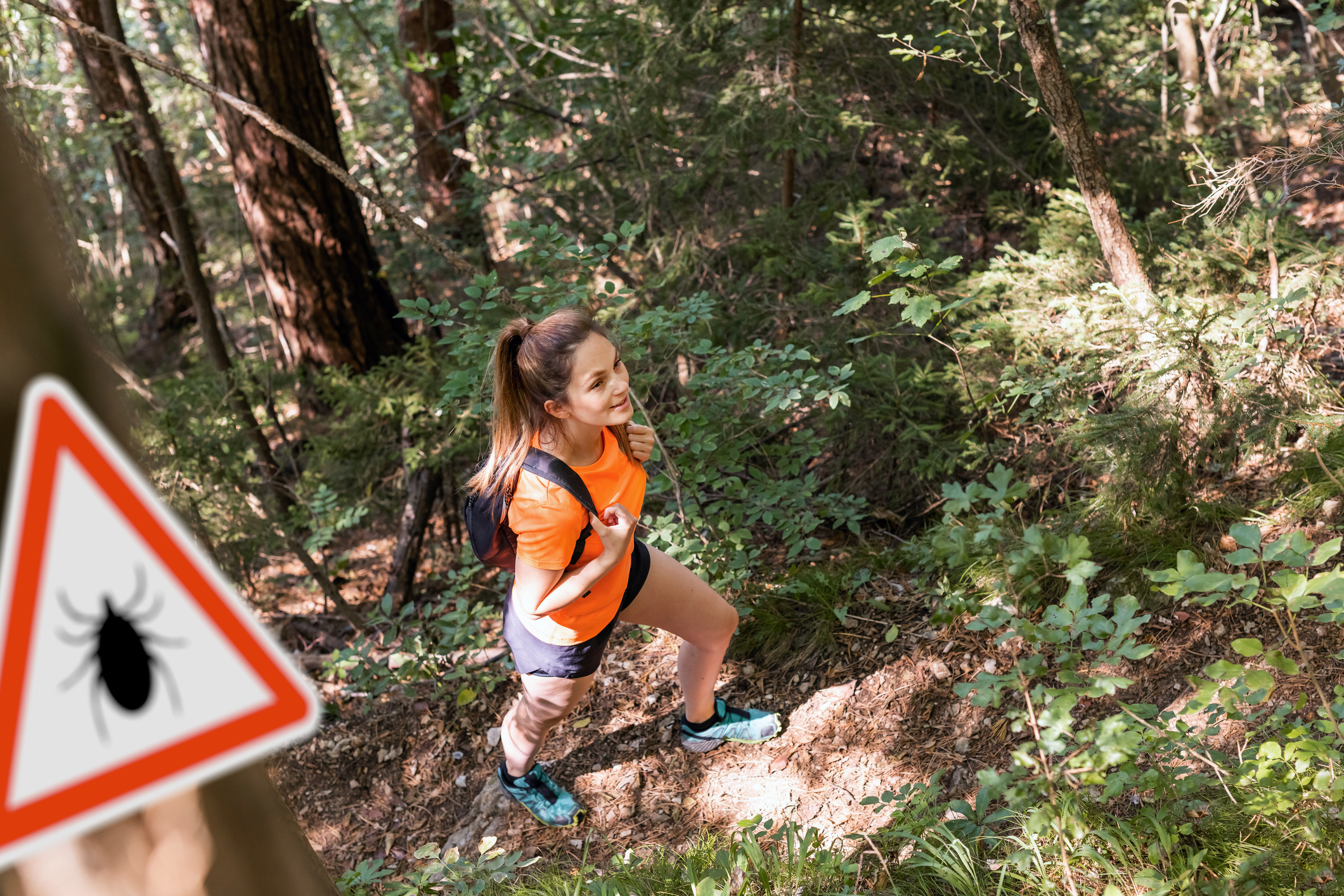
Is Anaplasmosis Worse Than Lyme Disease?
What is Anaplasmosis?
What are the symptoms of anaplasmosis?
Is Anaplasmosis Really a New Tick-Borne Disease?
What Is Lyme Disease?
FAQ
Is anaplasmosis the same as Lyme disease?
Can anaplasmosis go away without treatment?
Can one tick transmit Lyme disease and anaplasmosis?
How can I protect my yard from ticks?
How Professional Tick Control Can Help Protect Your Yard